Sign Up For Our eNewsletter
Get the latest news, happenings & more from the Chelan-Douglas Land Trust.


Connecting Students to Conservation Through Restoration Ecology
6/9/2026
Valley Academy 9th- and 10th-grade students recently completed nine months of hands-on learning through a partnership with the Chelan-Douglas Land Trust at Lower Sleepy Hollow. As part of the school's Restoration Ecology course, students visited the property monthly to explore ecosystem science, restoration ecology, watershed processes, and natural resource stewardship in a real-world setting.
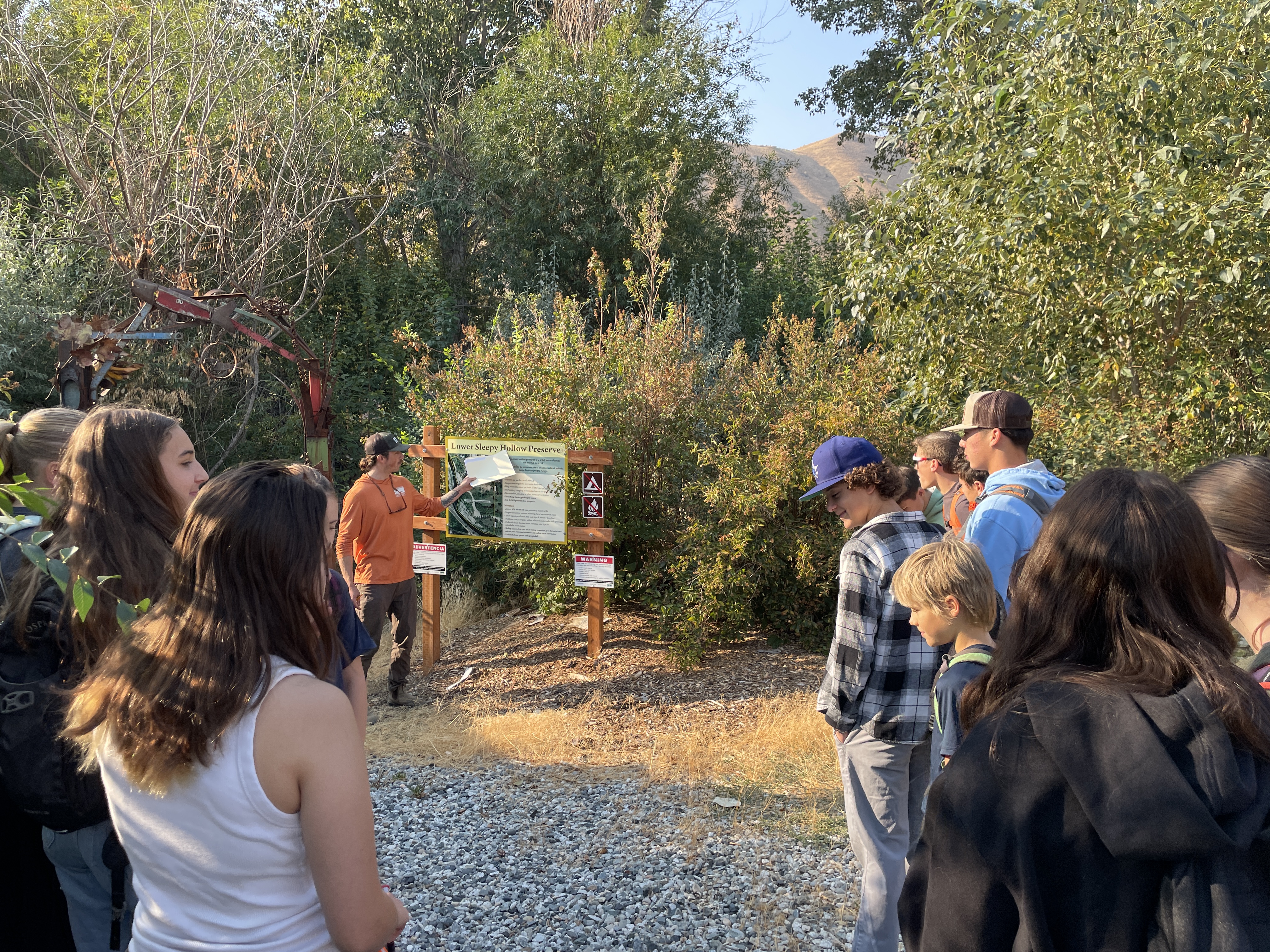 Students began the year by learning fieldwork safety, workplace hazards, and professional expectations associated with environmental careers. Before setting foot on the property, each student completed Leave No Trace certification to ensure they understood the responsibilities that come with working in and caring for natural areas.
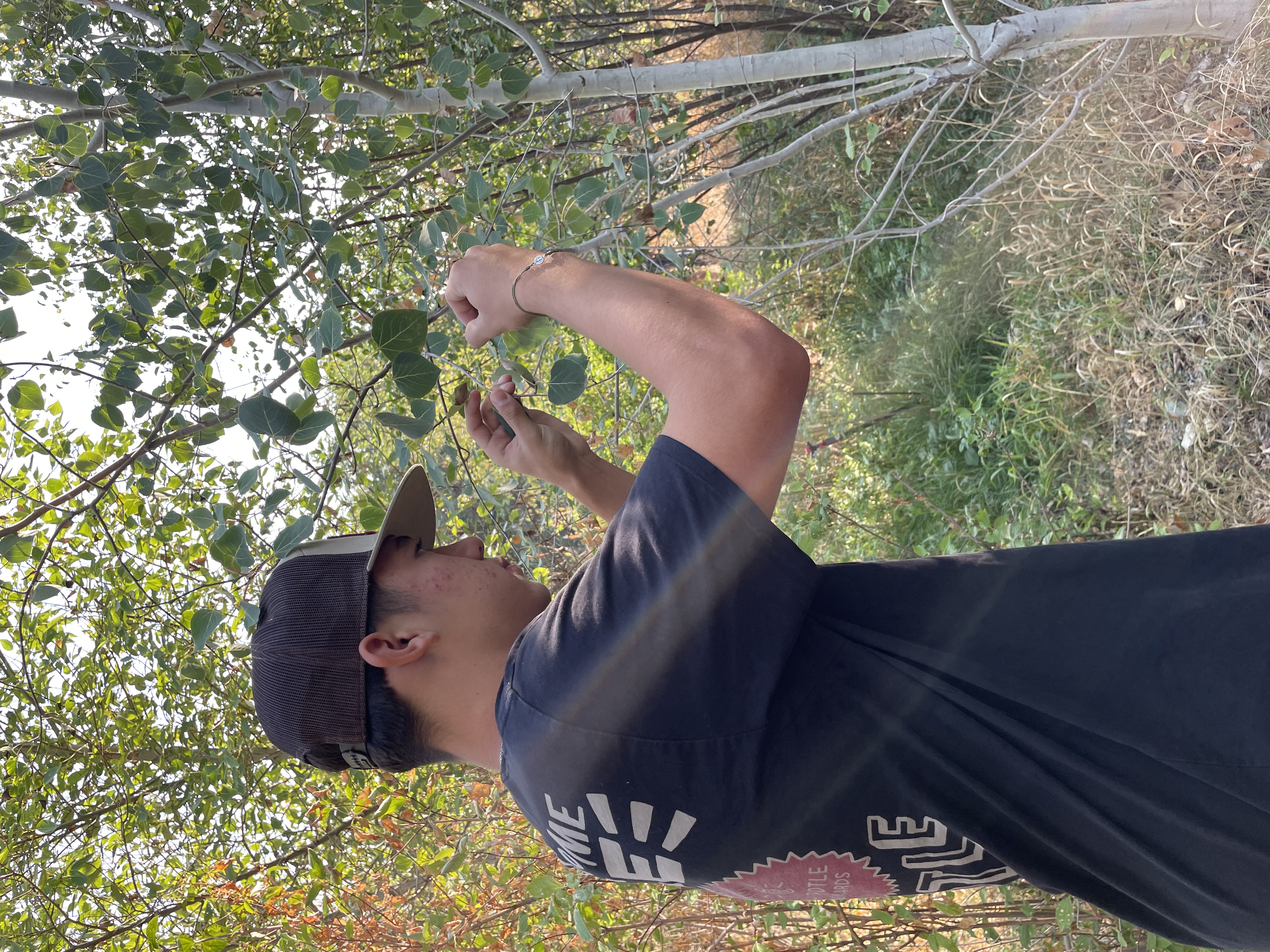
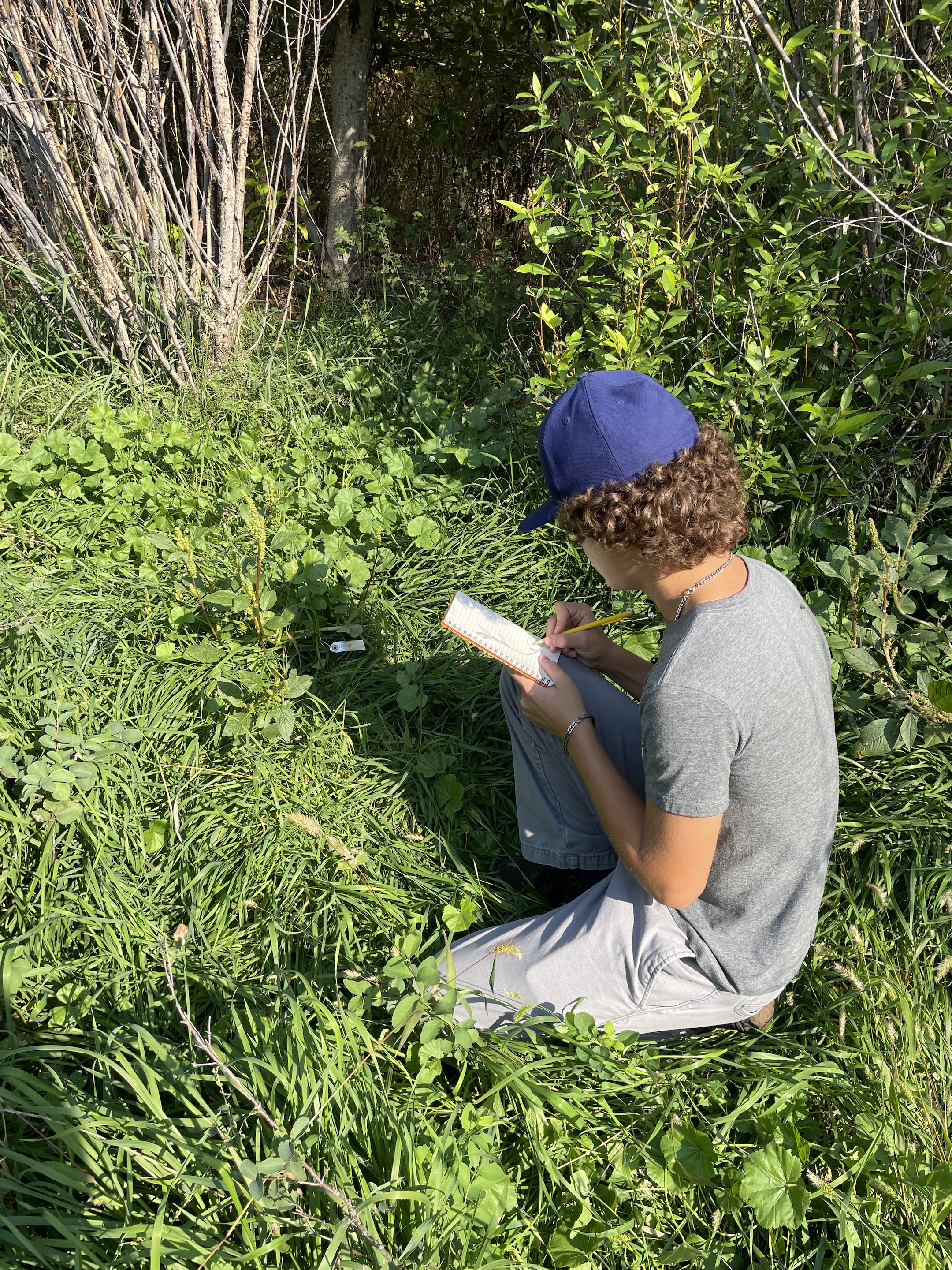
Their first visit to Lower Sleepy Hollow was especially memorable. Students were encouraged to "adopt a plant" to observe and monitor throughout the school year. This long-term phenology study allowed them to track seasonal changes, growth patterns, flowering, wildlife interactions, and responses to environmental conditions over time. By revisiting the same plant month after month, students gained a deeper understanding of how ecosystems change throughout the seasons.
Throughout the year, students engaged in a wide variety of field investigations and restoration activities. They learned to identify native trees, shrubs, grasses, and wildflowers commonly found in North Central Washington, while also studying invasive species and the management strategies used to control them. Students explored five major elements of watersheds—hydrology, soil, vegetation, topography, and geology—and investigated how these elements interact to influence ecosystem health.
 Field experiences focused heavily on understanding the Wenatchee River floodplain and riparian ecosystem surrounding Lower Sleepy Hollow. Students studied water quality by collecting and analyzing data such as dissolved oxygen, pH, turbidity, nitrates, and phosphates. They learned how seasonal changes, including spring runoff, influence river systems and aquatic habitat. Students also examined wildlife signs, identified local species, mapped habitat features, and explored the important role riparian vegetation plays in maintaining healthy rivers and streams.
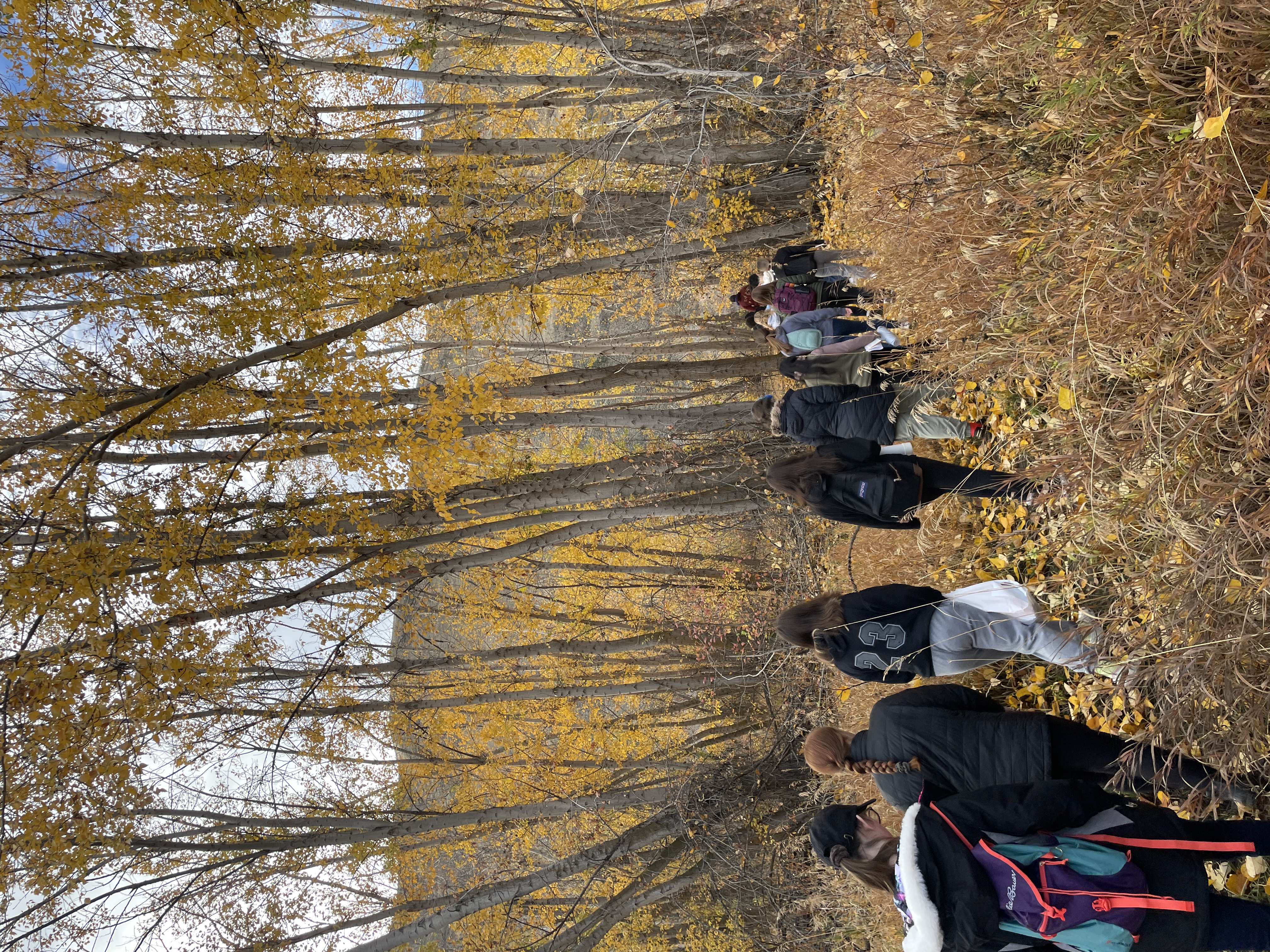
One of the most impactful learning opportunities came during the winter when significant flooding altered portions of the property. Rather than viewing the flood as a setback, students used it as a living laboratory. They observed how high water reshaped channels, redistributed sediment, affected vegetation, and changed habitat conditions across the site. These experiences helped students understand that ecosystems are dynamic systems constantly responding to natural processes.
As the year progressed, students began to think less like students and more like restoration ecologists. They analyzed land management plans, studied environmental laws and regulations, evaluated restoration successes and failures from around the Pacific Northwest, and developed recommendations for future stewardship of Lower Sleepy Hollow. By the end of the course, students were applying scientific knowledge, field observations, and critical thinking to propose realistic solutions to restore and protect natural systems.
 This Restoration Ecology class was created by Valley Academy teacher Shelby Hourigan, and carried out in partnership with Chelan-Douglas Land Trust staff Ryan McGrew and Sam Jordan. Together, they provided students with opportunities to connect classroom learning to real-world environmental challenges while gaining exposure to careers in natural resources, restoration ecology, watershed management, and conservation.
When asked what they valued most about the experience, students consistently highlighted the opportunity to spend time outdoors, work alongside professionals, and develop a deeper understanding of the lands that surround their community. Through their time at Lower Sleepy Hollow, students not only learned about science and restoration—they developed a stronger connection to place and a greater appreciation for the stewardship required to care for the Wenatchee Valley's natural resources for future generations.
"The students and I are so grateful to CDLT for the time and commitment invested in this partnership. I think they are all taking a little more love and appreciation for the natural world with them after this experience—and that's what it's all about." — Shelby Hourigan, Valley Academy Teacher
Online Resource

Trail maps, directions, more info

40 Years of Conservation Success
